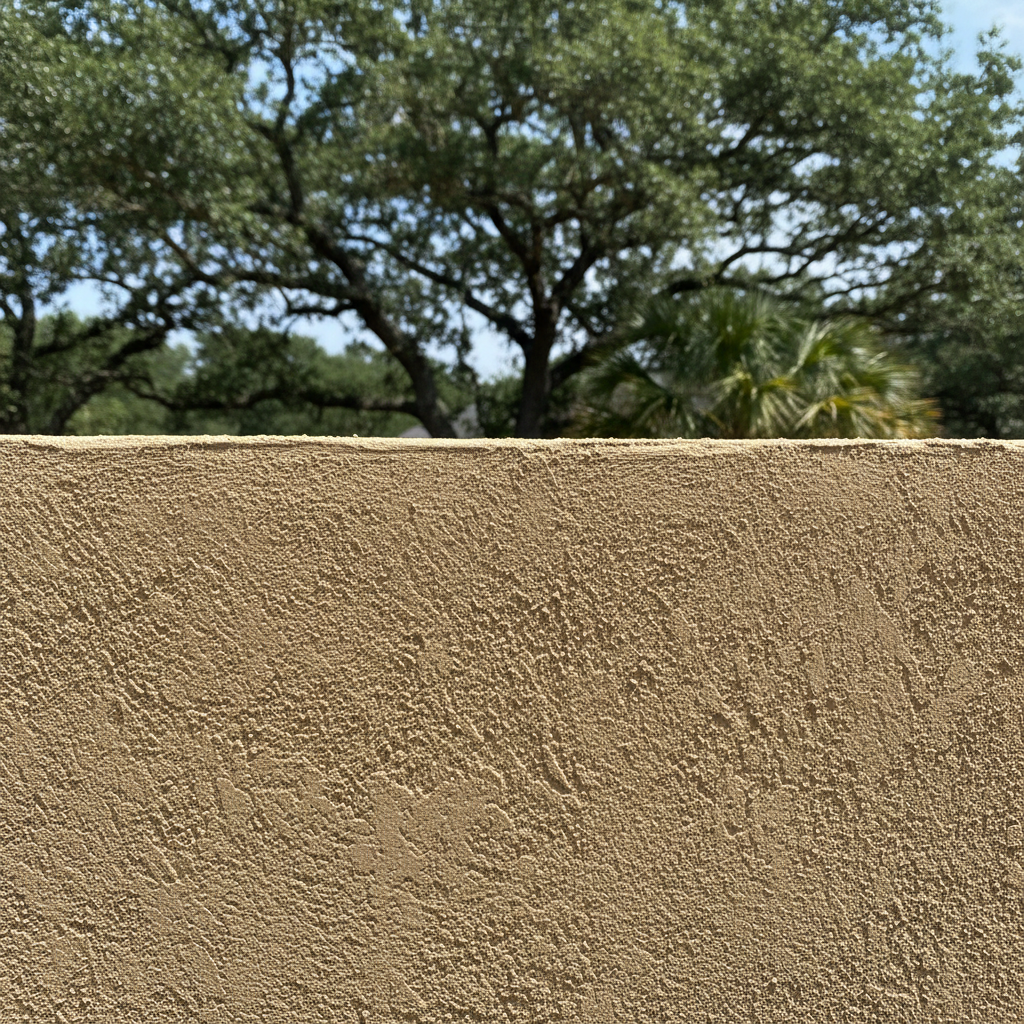
Alright, let's talk about stucco inspections. If your house has stucco, you're probably wondering what you should even be looking for, right? It's not rocket science, but there are definitely things you can check yourself to keep an eye on things. Then there are those times you absolutely need to call in a pro, like us.
Before You Start Looking: What You Need to Know
Before you even step outside, get this straight: stucco is tough, no doubt, but it's not invincible. Its main job, really, is to keep your home safe from water. When it fails, it's almost always because water got in where it shouldn't have. That's the big boogeyman we're always fighting against.
You won't need any fancy tools for your first look-around; just your eyes, maybe a flashlight, and a good dose of curiosity. Think of it as a regular check-up for your house. The best time to do this is on a clear, sunny day so you can really see everything. But also, take a look after a good rain, because that's often when water intrusion problems really show themselves.
Your DIY Stucco Inspection Checklist
Here's what you, as a homeowner, can realistically check yourself. You're just looking for red flags, not trying to diagnose complex issues. That's my job, after all.
- Cracks: Not all cracks are created equal. Those super thin, hairline cracks, especially around windows and doors, are pretty common and usually just a cosmetic thing. But if you spot cracks wider than a credit card, or if they're running horizontally or in a stair-step pattern? Those are concerning. Pay extra close attention to any cracks that look like they're letting water in.
- Stains: Dark streaks, particularly under windows, near the roofline, or around any penetrations (like pipes or vents), are a huge warning sign. This usually means water is getting behind the stucco and then running down, picking up dirt and grime along the way. Green or black stains could mean mold or algae is growing, which definitely points to moisture.
- Bulges or Soft Spots: Gently press on the stucco in different spots, especially lower down near the foundation or around windows. If it feels soft, spongy, or you hear a hollow sound, that's a problem. It might mean the wood sheathing underneath is rotting because of water getting in.
- Efflorescence: This looks like a white, powdery residue on the surface. It happens when water dissolves salts within the stucco or the masonry behind it, then evaporates and leaves those salts behind. It's a clear sign of moisture.
- Sealants and Flashing: Look closely at where the stucco meets other materials – windows, doors, the roof, the foundation, utility penetrations. Is the sealant (caulk) cracked, missing, or pulling away? Is the flashing (those metal strips meant to direct water away) bent, rusted, or installed incorrectly? These are super important areas for managing water. In Austin, with our heavy rains followed by long dry spells, these sealants really take a beating.
- Drainage: Make sure your gutters are clean and actually directing water away from the house. Look at the ground around your foundation. Does it slope away from the house, or does water just pool up near the stucco? Good drainage is your very first line of defense.
When to Call in the Pros (Like Austin's Cowboy Stucco Co.)
So, you've done your walk-around, and you've spotted something concerning. Or maybe you just want some peace of mind, which is totally understandable. That's when you call in a professional. Here's why and when:
- Significant Cracks: If you've got those wider, stair-step, or horizontal cracks, please don't try to patch them yourself. A pro needs to figure out the cause and then decide on the right repair.
- Water Stains or Efflorescence: These aren't just cosmetic, believe me. They point to an active water problem that needs to be tracked down and fixed properly.
- Soft Spots or Bulges: This is a big one. If you find these, it almost certainly means rot or delamination is happening underneath. This is way beyond DIY and needs specialized tools and knowledge to repair correctly.
- Suspect Flashing or Sealant Issues: While you can spot a problem, fixing it correctly so it actually stops water from getting in takes experience. Improper flashing is a really common reason for stucco failure, especially around windows and doors where water can just sit.
- Pre-Purchase Inspection: If you're buying a home with stucco, absolutely, positively get a professional stucco inspection. A general home inspector might catch obvious issues, but they aren't specialists in stucco systems. You really don't want to inherit someone else's water problems, do you?
- Regular Maintenance Checks: Even if you don't see obvious problems, a professional inspection every few years (especially after a decade or more, or if your home is in a high-moisture area like near a creek in Westlake) can catch small issues before they become expensive nightmares. We can use moisture meters and thermal imaging to find hidden water, for example.
After the Inspection: What Happens Next?
If you've called me or another reputable stucco contractor, we'll give you a detailed report. This isn't just a list of problems; it's an explanation of what's going on, why it's happening, and what needs to be done to fix it. We'll prioritize the repairs and give you an estimate.
Your job then is to understand our recommendations and make smart, informed decisions. Don't just go for the cheapest fix if it doesn't actually address the root cause. A good repair will last, and that's what you're paying for. We're not just patching things up; we're making sure your home is protected for the long haul. Keeping your stucco healthy is about protecting your biggest investment, and that's something worth doing right.